




Can I Use My Security Deposit to Pay Last Month’s Rent?
As a Florida lease agreement approaches its end, one of the most common questions tenants ask is whether the security deposit can simply be applied to the final month’s rent.
It may seem convenient: the landlord already holds the money, the tenant is preparing to move, and another rent payment is due. But a security deposit and monthly rent generally serve different purposes under the lease.
For Tampa tenants and rental property owners, the safest rule is simple: a tenant should not unilaterally use the security deposit as the final month’s rent unless the lease or landlord specifically allows that arrangement.
If the lease requires rent to be paid through the end of the tenancy, the tenant should continue making the required rent payments rather than assuming the security deposit automatically replaces the final payment.
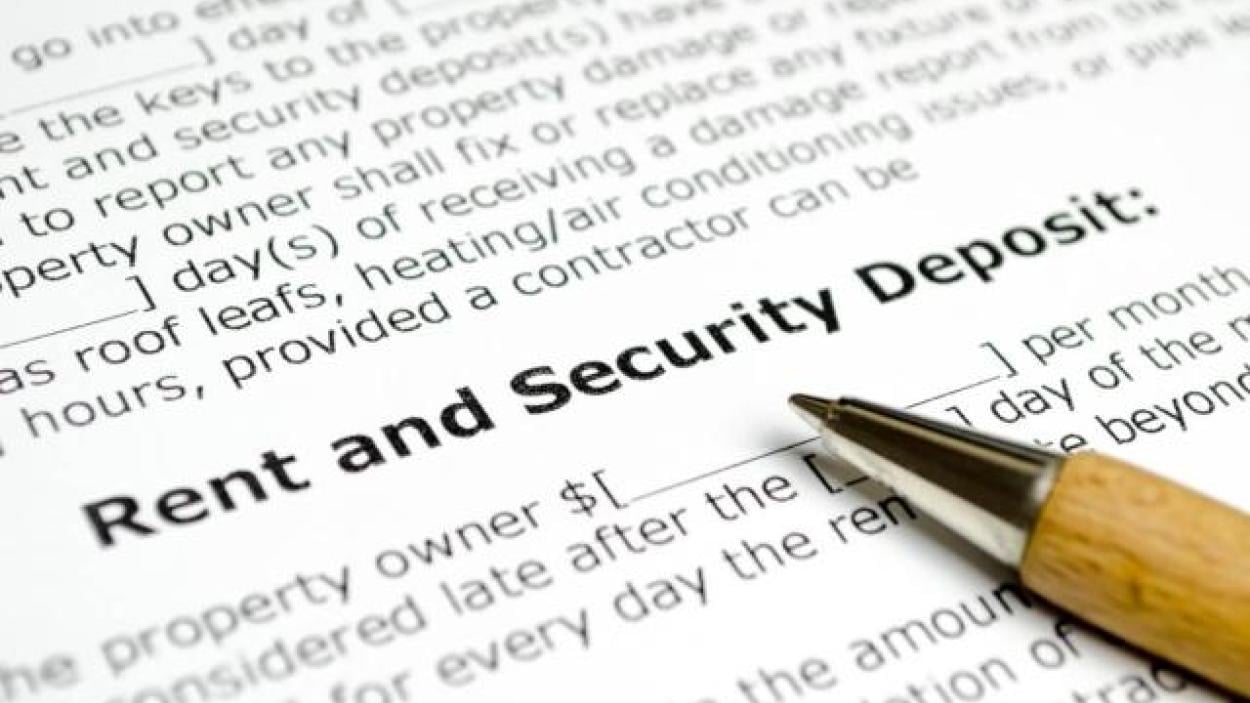
Understanding Florida Security Deposits and Your Lease
The first place both landlords and tenants should look is the rental agreement.
A security deposit is generally held to protect the landlord against certain financial obligations that may remain after or during the tenancy, subject to the lease and Florida law. It should not automatically be treated as prepaid rent simply because the lease is approaching its end.
If the lease requires the tenant to pay rent through the final month, failing to make that payment can create an unpaid-rent balance and potentially trigger the remedies available to the landlord under the lease and applicable Florida law.
Tenants should therefore obtain written confirmation from the landlord or property manager before assuming that money being held as a security deposit can be credited toward rent.
What Is the Security Deposit Actually For?
A security deposit provides financial protection for the property owner if qualifying charges or obligations remain at the end of the tenancy.
Depending on the lease, applicable Florida law, and the circumstances, potential claims against a security deposit may involve:
- Unpaid rent or other qualifying lease balances.
- Tenant-caused property damage beyond ordinary wear and tear.
- Cleaning or restoration costs when properly chargeable under the lease and applicable law.
- Damage associated with unauthorized alterations or other qualifying lease violations.
- Other amounts properly chargeable under the rental agreement and applicable Florida law.
This is one reason landlords generally should not automatically apply the entire security deposit to the final month’s rent before the property has been surrendered and its condition evaluated.

Why Using the Deposit as Last Month’s Rent Can Create Problems
Consider what happens if a tenant stops paying rent during the final month because the tenant assumes the landlord will simply use the security deposit.
After move-out, the landlord may discover property damage or another qualifying balance. If the deposit has effectively already been consumed by unpaid rent, less money remains available to address those other potential claims.
The tenant may also have created an unpaid-rent issue before surrendering possession of the property.
Keeping rent payments and the security deposit separate until the tenancy is properly concluded creates a clearer accounting for both parties.
The Florida Move-Out and Inspection Process
After a tenant moves out and returns possession of the rental property, the landlord or property manager can evaluate the property’s condition and compare it with available move-in documentation.
A well-documented move-out process may include:
- Reviewing move-in photographs and condition reports.
- Documenting the property’s condition after possession is returned.
- Identifying potential tenant-caused damage beyond ordinary wear and tear.
- Reviewing outstanding rent or other qualifying lease balances.
- Collecting invoices, estimates, photographs, or other documentation when appropriate.
- Processing the security deposit in accordance with the lease and Florida law.
At Bahia Property Management, security deposits and move-out documentation are handled with attention to the requirements of Florida Statutes § 83.49 and the applicable rental agreement.
What Happens to the Security Deposit After Move-Out?
Florida law establishes procedures and deadlines for handling residential security deposits after a tenant vacates.
The specific process depends in part on whether the landlord intends to impose a claim against the deposit.
If no claim is being made, Florida law provides a timeframe for returning the deposit. When a landlord intends to impose a claim, Florida law establishes notice requirements and deadlines that must be followed.
Because security-deposit compliance can depend on the circumstances of the tenancy, landlords should carefully follow Florida Statutes § 83.49 and obtain qualified legal advice when there is uncertainty about a particular claim.
What Should Tenants Do During Their Final Month?
Tenants approaching move-out can reduce confusion by treating the final month like any other month of the tenancy unless they have received different written instructions.
- Review the lease for final rent and move-out requirements.
- Pay rent according to the lease unless another arrangement has been approved in writing.
- Follow the required notice and move-out procedures.
- Remove personal belongings and complete required cleaning.
- Return keys, remotes, access devices, and other property as instructed.
- Provide the appropriate forwarding address for security-deposit communications.
Clear communication between the tenant and property manager can prevent a misunderstanding about the security deposit from becoming an unpaid-rent or move-out dispute.
Keep Rent and Security Deposits Separate Until Move-Out Is Complete
A security deposit should not automatically be treated as the final month’s rent simply because a tenancy is ending.
Unless the rental agreement or an authorized written arrangement provides otherwise, tenants should continue paying rent according to the lease and allow the security deposit to be handled through the appropriate move-out process.
For Tampa rental property owners, a documented move-in inspection, organized rent ledger, thorough move-out evaluation, and compliant security-deposit process can help reduce disputes and protect the investment.
Bahia Property Management helps Tampa property owners coordinate lease administration, rent collection, inspections, resident communication, security-deposit processing, maintenance, and other day-to-day rental management responsibilities.
Request a free rental analysis or call our team directly.
☎Give us a call: 813 879 6800
This article provides general information about Florida rental property management and is not legal advice. Security-deposit claims, rent obligations, deductions, notices, and deadlines can depend on the lease and specific circumstances. Property owners and tenants should review Florida Statutes § 83.49 and consult a qualified Florida attorney regarding specific legal questions.