




Florida Hurricane Property Damage: Landlord Obligations, Repairs, and Rent Issues
When a tropical storm or hurricane impacts Florida, rental property owners can face difficult legal and operational decisions once the winds subside. Property damage, emergency repairs, tenant concerns, insurance claims, and questions about rent can all require immediate attention.
For Tampa landlords, understanding post-storm responsibilities is especially important. Florida landlord-tenant law, the lease agreement, the condition of the property, and the specific circumstances of the damage can all affect what happens next.
Here are several important issues Florida rental property owners should understand when responding to hurricane damage, habitability concerns, repairs, and requests for rent concessions.
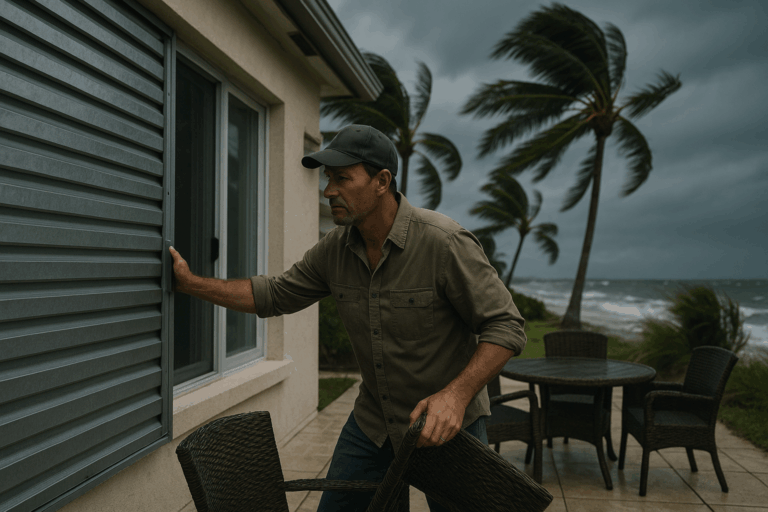
1. Uninhabitability vs. Minor Hurricane Damage
Florida law includes landlord maintenance obligations, including requirements addressed in Florida Statute § 83.51. After a hurricane, however, the consequences of property damage depend on the severity of the conditions and the circumstances affecting the rental home.
- Severe structural or safety damage: Major roof failure, significant flooding, structural damage, or other serious conditions may make a property unsafe or unusable. When a rental cannot be occupied, landlords should document the condition immediately, notify the appropriate parties, and obtain legal guidance when questions arise regarding rent or continuation of the tenancy.
- Utility outages: A property may have little or no physical damage while still experiencing a power or water outage caused by a widespread utility failure. The legal consequences can depend on the cause, duration, lease terms, and surrounding circumstances rather than simply the existence of an outage.
- Minor storm damage: Damaged screens, siding, landscaping, fencing, or fallen tree limbs may require prompt attention without necessarily making the entire rental home uninhabitable.
The distinction matters because the appropriate response to cosmetic exterior damage can be very different from the response required when a home has significant water intrusion, electrical hazards, or structural damage.
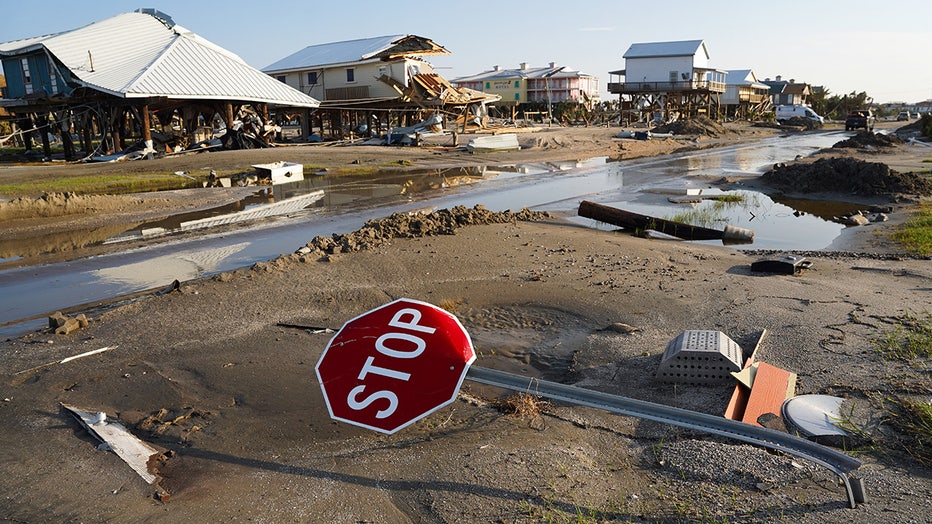
2. Rent Abatements and Partial Rent Reductions After a Hurricane
Questions about rent frequently arise after a major storm. A tenant may request a reduction because part of the property cannot be used, while an owner may be dealing simultaneously with contractors, insurance claims, and emergency repairs.
- Avoid informal rent changes: Owners should be cautious about making verbal agreements concerning reduced rent or other concessions. The legal effect of a rent dispute or withholding can depend on Florida law, the lease, notices exchanged between the parties, and the condition of the property.
- Put agreements in writing: If an owner and tenant agree to a temporary concession or rent adjustment, the terms should be clearly documented. A written agreement can identify the amount, applicable dates, reason for the concession, and when the normal rental amount resumes.
- Keep accurate accounting records: Any credit, concession, payment, or adjustment should be reflected accurately in the tenant ledger so there is a clear record of the account.
When the legal effect of property damage on rent is unclear, landlords should obtain advice from a qualified Florida landlord-tenant attorney rather than relying on an informal arrangement.
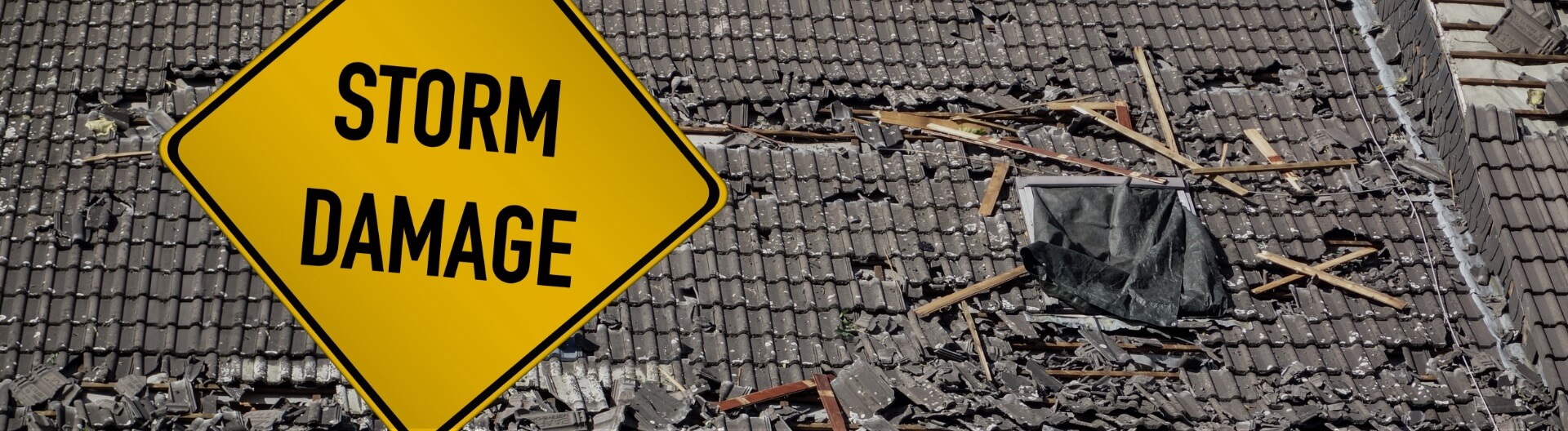
3. Tenant Notices and Hurricane Repair Documentation
Florida law provides procedures tenants may use when alleging landlord noncompliance. The exact requirements and remedies depend on the circumstances, so owners should take formal notices seriously and respond promptly.
- Review notices promptly: If a tenant delivers a written notice concerning repairs, habitability, or alleged landlord noncompliance, document when it was received and review the requirements that may apply.
- Document repair efforts: Contractor delays and supply shortages can become especially challenging after a major hurricane. Keep records of work orders, contractor communications, estimates, scheduled appointments, insurance communications, photographs, videos, invoices, and completed repairs.
- Keep tenants informed: Clear written communication can help residents understand what has been reported, what work has been scheduled, and what circumstances may be delaying completion.
Good documentation does more than create a paper trail. It helps owners, property managers, contractors, insurers, residents, and legal counsel understand what occurred and what actions were taken after the storm.
4. Personal Property and Renters Insurance
Hurricanes can damage both the rental structure and a tenant’s personal belongings. Those losses should not automatically be treated as the same insurance claim.
- Landlord insurance: Property-owner insurance generally addresses covered losses involving the rental structure and other property included under the specific policy. Coverage, deductibles, exclusions, flood protection, and limits vary by policy.
- Tenant personal property: A tenant’s furniture, electronics, clothing, and other personal belongings are generally handled separately from the landlord’s building coverage. Renters insurance may provide coverage depending on the tenant’s policy and the cause of the loss.
Owners and residents should contact their respective insurance providers regarding specific coverage questions rather than assuming that a particular storm-related loss is automatically covered.

Quick Reference for Florida Rental Property Owners
| Scenario | Recommended Action |
|---|---|
| Severe Damage or Possible Uninhabitability | Document conditions immediately, address safety concerns, coordinate necessary inspections and repairs, review the lease and applicable law, and obtain legal guidance regarding rent or tenancy questions when necessary. |
| Minor Storm Damage | Document the damage, prioritize repairs based on safety and urgency, communicate with the resident, and maintain records of repair efforts. |
| Tenant Requests a Rent Concession | Avoid informal verbal agreements. Review the circumstances and obtain appropriate professional guidance before agreeing to a rent adjustment. Document any agreement in writing. |
| Mold or Moisture Concerns | Investigate reported water intrusion promptly, document conditions, address the source of moisture, and coordinate appropriate professional evaluation or remediation when necessary. |
Protect Your Tampa Rental Property During Hurricane Season
Managing hurricane recovery involves more than scheduling repairs. Rental property owners may need to coordinate emergency maintenance, contractors, insurance claims, resident communication, inspections, documentation, and potential legal issues at the same time.
A consistent response process can help owners prioritize safety, document property conditions, track repairs, and keep residents informed while the property recovers.
Bahia Property Management helps Tampa rental property owners coordinate post-storm inspections, maintenance, vendor communication, and resident communication. When a situation requires legal interpretation or representation, property owners should consult a qualified Florida attorney.
Request a free rental analysis or call our team directly.
☎Give us a call: 813 879 6800
This article provides general information about Florida rental property management and is not legal or insurance advice. Hurricane-related obligations and insurance coverage depend on the specific facts, lease terms, applicable law, and insurance policies. Property owners should consult qualified legal and insurance professionals regarding their circumstances.