




Hurricane Season: The One Insurance Step Most Florida Landlords Skip
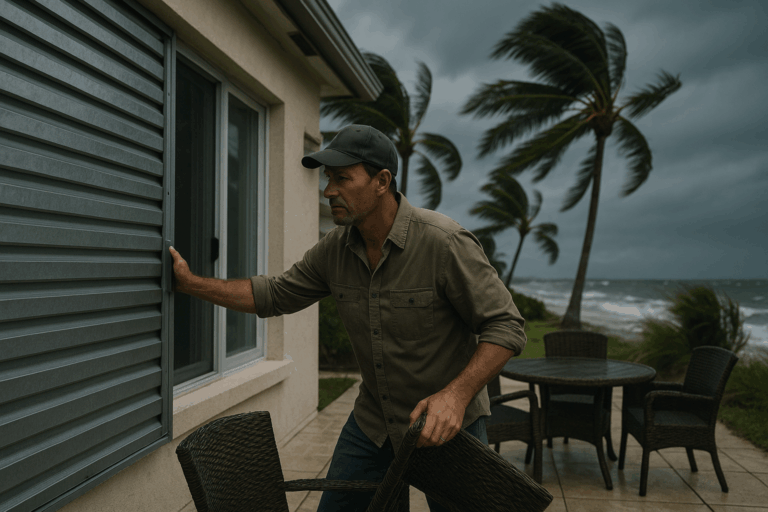
Florida hurricane season creates a familiar challenge for rental property owners: preparing the property before a storm while also planning for what happens afterward.
Wind, rain, flooding, fallen trees, and flying debris can cause significant damage, but the physical damage is only part of the problem. After a storm, owners may also need to document losses, coordinate emergency repairs, communicate with residents, and work through the insurance claims process.
One preventive step can make that process considerably easier: documenting the condition of your rental property before the storm arrives.
For Tampa landlords, a detailed pre-storm record can provide valuable evidence of what the roof, exterior, landscaping, fencing, windows, and interior looked like before hurricane-related damage occurred.
Why Pre-Storm Documentation Matters for Florida Rental Properties
After a hurricane, an insurance adjuster may need to determine what damage resulted from the storm and what conditions existed beforehand.
If an owner has recent photographs, videos, inspection reports, maintenance records, and repair invoices, those records can help establish the property’s condition before the loss.
Without documentation, questions about when a particular condition developed may be more difficult to answer.
Pre-storm documentation does not guarantee insurance coverage or claim payment. Coverage ultimately depends on the insurance policy, cause of loss, deductible, exclusions, property condition, documentation, and other circumstances. However, maintaining organized records can provide useful evidence during the claims process.
Understand Your Hurricane Deductible Before the Storm
Florida rental property owners should review their insurance coverage before hurricane season rather than waiting until a storm is approaching.
One particularly important item is the hurricane deductible. Depending on the policy, this deductible may be expressed as a percentage rather than as the flat-dollar deductible an owner might expect from other types of claims.
For example, if an applicable deductible were calculated at 5% of a $400,000 insured value, that would equal $20,000. This is only a mathematical illustration; actual deductibles and how they apply depend on the specific insurance policy.
Property owners should review their declarations page and policy with their insurance agent or carrier to understand the deductible, covered perils, exclusions, flood coverage, reporting requirements, and other important conditions before a loss occurs.

A Simple Pre-Storm Documentation Protocol for Landlords
Before a tropical storm or hurricane threatens the Tampa area, rental property owners should consider creating an updated visual record of the property.
A practical pre-storm documentation process can include:
- Complete a video walkthrough: Record the exterior and accessible interior areas of the property. Capture the roofline from a safe location, siding, windows, doors, fencing, landscaping, patios, exterior structures, ceilings, walls, floors, and major rooms.
- Take detailed photographs: Video provides useful context, but individual photographs can provide clearer evidence of specific property components and conditions.
- Document recent maintenance: Keep records showing relevant maintenance and repairs, such as tree trimming, gutter cleaning, roof repairs, fence repairs, or other preventive work.
- Preserve invoices and work orders: Contractor invoices, maintenance work orders, inspection reports, and receipts can help establish when work was performed.
- Record the date: Make sure the files can be associated with the date the inspection or documentation occurred.
- Store records securely: Do not keep the only copy on a phone or computer that could be damaged or lost. Store documentation in a secure cloud-based system or another reliable backup location.
Do Not Wait Until a Hurricane Warning Is Issued
One of the challenges of hurricane preparation is that contractors, maintenance vendors, tree services, and other professionals can become extremely busy as soon as a storm threatens the area.
That makes routine inspections and preventive maintenance important throughout the year—not only during the final days before landfall.
Rental property owners should periodically review items such as:
- Roof and visible exterior conditions.
- Tree limbs and landscaping near the structure.
- Gutters and drainage areas.
- Fencing and gates.
- Windows and exterior doors.
- Signs of water intrusion or unresolved leaks.
- Loose outdoor items that may need to be secured before a storm.
Identifying maintenance issues early gives the owner more time to address them before severe weather creates additional damage.
What Should You Document After the Storm?
Pre-storm documentation establishes a baseline. If the property is affected by a hurricane, post-storm documentation can then show what changed.
Once conditions are safe and access is permitted, owners or their property management team should consider documenting:
- Visible roof or exterior damage.
- Water intrusion and interior damage.
- Fallen trees or damaged landscaping.
- Broken fencing, windows, doors, or exterior structures.
- Emergency mitigation measures.
- Resident reports and communications.
- Vendor assessments, estimates, invoices, and completed repairs.
Owners should also follow their insurance carrier’s claim-reporting requirements and avoid making permanent repairs before appropriate documentation when doing so is not necessary for immediate safety or mitigation.
How Bahia Property Management Helps Prepare Tampa Rental Properties
Hurricane preparation can involve property inspections, maintenance coordination, resident communication, documentation, and post-storm response—all while an owner may be living hundreds or thousands of miles away.
Bahia Property Management helps Tampa rental property owners coordinate important property-management responsibilities before and after severe weather.
- Property inspections and documentation: Inspections can help establish property conditions and identify maintenance issues that require attention.
- Maintenance coordination: We coordinate with vendors when repairs or preventive maintenance are required.
- Resident communication: Clear communication helps residents understand property-related instructions and report damage or maintenance concerns.
- Post-storm property response: When conditions permit, property inspections and documentation can help owners understand what happened and prioritize necessary repairs.
Protect Your Tampa Rental Property Before the Next Storm
No amount of preparation can eliminate hurricane risk, and documentation cannot guarantee that an insurance claim will be covered. But having clear records of your property’s condition before and after a storm can make it easier to demonstrate what changed and provide supporting information during the claims process.
The best time to document your Tampa rental property is before a hurricane is approaching—not after the damage has already occurred.
Combine regular inspections, preventive maintenance, organized property records, appropriate insurance coverage, and a documented storm-response process to put your investment in a stronger position when severe weather arrives.
Request a free rental analysis or call our team directly.
☎Give us a call: 813 879 6800
This article provides general information for Florida rental property owners and is not legal or insurance advice. Insurance coverage, deductibles, exclusions, claim requirements, and hurricane-related obligations vary by policy and circumstances. Property owners should consult their insurance carrier or agent and qualified legal professionals regarding their specific situation.