




Why Florida Rental Properties Need a Strict Inspection Schedule
Owning a rental property in Florida comes with environmental and maintenance challenges that can become expensive when problems go unnoticed.
Florida’s heat, humidity, heavy rainfall, tropical weather, pest activity, and year-round HVAC use can place additional stress on a rental home. A small plumbing leak, moisture problem, roof issue, or maintenance concern can become significantly more costly if it remains undetected for months.
For Tampa rental property owners, a structured inspection schedule provides visibility throughout the tenancy and creates documentation that can help identify maintenance concerns, monitor property condition, and protect the long-term value of the investment.

Managing Risk Throughout the Rental Property Lifecycle
Rental property inspections are most effective when they are treated as an ongoing process rather than something that happens only when a tenant moves out.
Different types of inspections serve different purposes throughout the tenancy.
1. Initial and Move-In Inspections
A detailed move-in inspection establishes a baseline record of the rental property’s condition at the beginning of a tenancy.
Photographs, videos, written notes, and condition reports can document existing wear, cleanliness, appliances, walls, flooring, fixtures, exterior conditions, and other important areas.
This documentation gives both the property owner and management team a reference point when evaluating future maintenance issues or comparing the property’s condition at move-out.
2. Routine Rental Property Inspections
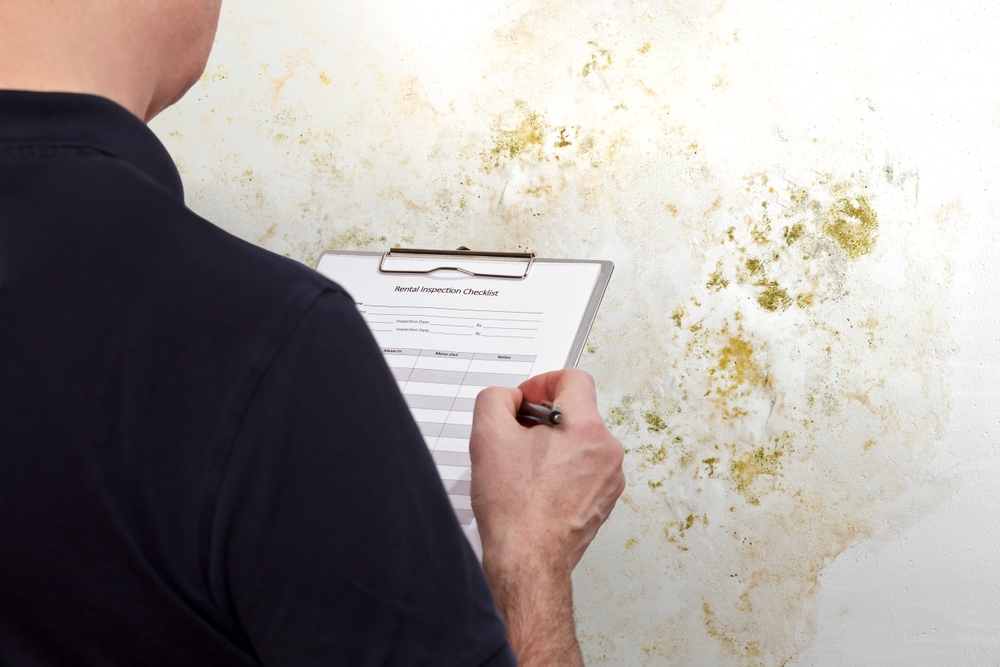
Conditions inside a rental property can change significantly during a lease term. Routine inspections provide an opportunity to identify visible concerns before they remain unnoticed for extended periods.
Depending on the property and circumstances, an inspection may reveal issues such as:
- Visible plumbing leaks under sinks or around fixtures.
- Signs of moisture or water intrusion.
- HVAC concerns or unusual system conditions.
- Pest activity.
- Damage requiring maintenance or repair.
- Unauthorized pets or occupants.
- Unapproved property alterations.
- Potential lease or HOA compliance concerns.
An inspection is not a substitute for a specialized evaluation by a licensed contractor, mold professional, electrician, plumber, HVAC technician, engineer, or other qualified professional when one is needed. Its value is often in identifying visible warning signs so the appropriate professional can be involved early.
3. Move-Out Inspections
A move-out inspection allows the property manager or landlord to compare the property’s final condition with the documentation created at the beginning of the tenancy.
This comparison can help distinguish between documented pre-existing conditions, ordinary wear, and potential tenant-caused damage.
Thorough documentation is particularly important when evaluating potential security-deposit claims. Florida landlords must follow applicable lease terms and Florida security-deposit requirements when making deductions or claims against a tenant’s deposit.
Why Florida’s Climate Makes Inspections Especially Important
Florida rental properties face conditions that can make early detection particularly valuable.
High humidity and frequent rainfall can contribute to moisture concerns. Tropical storms and hurricanes can affect roofs, exterior components, fencing, drainage, and landscaping. Heavy air-conditioning use can place additional demand on HVAC systems.
A resident may not always recognize the early signs of a maintenance issue—or may not report a problem until it becomes more noticeable.
Periodic inspections give property owners another opportunity to observe visible conditions and determine whether additional investigation or maintenance may be necessary.
Inspections Help Create Better Property Documentation
Inspections are not only about finding maintenance problems. They also create a historical record of the rental property’s condition.
Organized inspection records may include:
- Dated photographs and videos.
- Written property condition reports.
- Maintenance recommendations.
- Resident-reported concerns.
- Work orders and repair history.
- Vendor invoices and completion records.
- Follow-up documentation showing whether an issue was resolved.
This history can be useful when evaluating recurring maintenance problems, planning future repairs, reviewing storm-related damage, or comparing move-in and move-out conditions.
Inspections Can Help Monitor Lease and HOA Compliance
A routine inspection may also identify visible conditions that appear inconsistent with the lease or applicable community rules.
Examples may include unauthorized alterations, unapproved animals or occupants, smoking-related concerns, prohibited exterior changes, or other conditions requiring additional review.
If a possible violation is discovered, landlords should review the lease and applicable requirements before taking enforcement action. The appropriate response will depend on the specific circumstances and Florida law.
Why Professional Property Management Matters
For out-of-state and international rental property owners, maintaining visibility into a Florida investment property can be particularly challenging.
An owner may not be physically present to notice a ceiling stain, damaged fence, moisture concern, unauthorized alteration, or other change in property condition.
At Bahia Property Management, property inspections are part of a broader management process designed to help owners stay informed about their rental properties.
Inspection observations may help identify concerns involving:
- Maintenance and property condition: Visible water intrusion, plumbing concerns, exterior damage, HVAC observations, and other maintenance needs.
- Lease compliance: Visible conditions that may require additional review under the rental agreement.
- HOA and community requirements: Conditions that could potentially conflict with applicable community standards.
- Preventive maintenance: Developing issues that may benefit from additional evaluation before they become larger repairs.
Early detection is not about assuming every visible condition is a major problem. It is about seeing potential issues early, documenting what was observed, keeping the property owner informed, and involving the appropriate professional when further evaluation is needed.
Stop Reacting Late. Start Seeing Property Issues Early.
Protecting a Florida rental property should not depend entirely on waiting for a tenant to report a problem or discovering damage at move-out.
A structured inspection process creates checkpoints throughout the rental lifecycle—from initial property condition documentation and move-in to routine inspections and the final move-out evaluation.
At Bahia Property Management, our inspection approach is integrated into the overall management process to help Tampa rental property owners stay informed, coordinate necessary maintenance, document property conditions, and protect the long-term value of their investments.
Request a free rental analysis or call our team directly.
☎Give us a call: 813 879 6800
This article provides general information about Florida rental property management and is not legal advice. Inspection requirements, notice requirements, lease enforcement, security-deposit claims, and property access can depend on the lease, applicable law, and specific circumstances. Property owners should consult qualified professionals regarding specific legal, maintenance, or property-condition questions.