




Motion to Determine Rent in Florida: What Tampa Landlords Need to Know
For Tampa rental property owners and property managers, filing an eviction for nonpayment of rent is generally a last resort. Once an eviction lawsuit is filed, however, Florida law provides specific procedures that tenants may use to respond. One of the most frequently misunderstood is a Motion to Determine Rent.
Understanding this motion, the court registry requirement, and the importance of accurate rental records can help Florida landlords prepare for the eviction process and avoid preventable complications.
Based on Florida law and guidance commonly used in landlord-tenant practice, here is an overview of what a Motion to Determine Rent means, how the court registry works, and why accurate documentation matters.
1. What Is a Motion to Determine Rent in Florida?
Under Florida Statute § 83.60(2), a tenant responding to an eviction action for nonpayment of rent generally must pay into the court registry the amount alleged in the complaint as unpaid, or file a motion asking the court to determine the amount of rent that should be paid into the registry.
A tenant may dispute the amount claimed by the landlord for reasons such as payments that the tenant believes were not properly credited or another disagreement concerning the amount of rent owed.
A Motion to Determine Rent asks the court to review the dispute and determine the amount that must be deposited into the court registry while the eviction case proceeds.

2. Why Written Documentation Matters
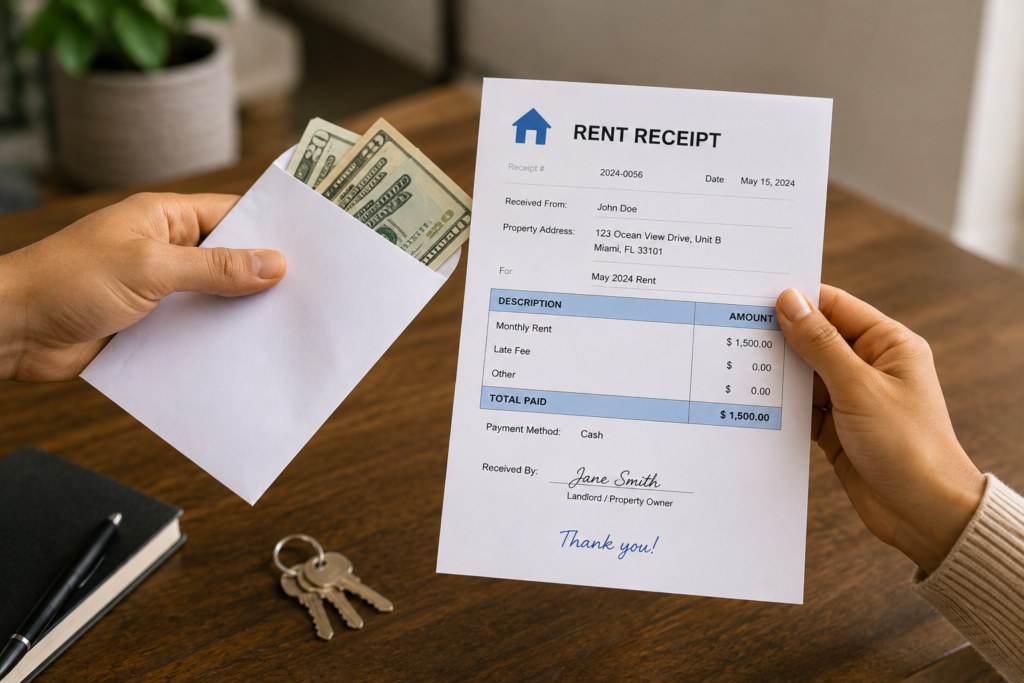
Documentation is especially important when the amount of rent claimed in an eviction is disputed. Florida Statute § 83.60(2) addresses the documentation required when a tenant files a motion alleging that the amount in controversy is different from the amount alleged in the complaint.
- Payment records: Receipts, canceled checks, bank records, and a detailed tenant ledger can help establish what has been paid and what remains outstanding.
- Lease documentation: The lease helps establish the contractual rent and any other amounts that may be relevant to the dispute.
- Notices and correspondence: Written notices and communications may become important when the parties disagree about payments, charges, repairs, or other issues affecting the amount claimed.
For landlords, maintaining organized records from the beginning of the tenancy can make it much easier to respond when the amount owed is challenged.
3. What Happens When the Court Determines the Rent?
When a Motion to Determine Rent requires court review, the judge may consider the lease, landlord payment records, notices, tenant documentation, and other relevant evidence before determining the amount that must be deposited into the court registry.
- Reviewing the records: Relevant documents may include the lease agreement, payment ledger, 3-Day Notice, receipts, and other evidence submitted by the parties.
- Determining the registry amount: The court determines what amount must be deposited into the court registry under the applicable requirements.
- Complying with the court’s order: Failure to deposit rent as required by Florida law or by a court order can have significant consequences for a tenant’s defenses in the eviction action.
4. Key Takeaways for Tampa Rental Property Owners
Several issues can complicate an otherwise straightforward nonpayment case. Tampa landlords can reduce avoidable problems by maintaining accurate records and following Florida’s statutory procedures carefully.
| Scenario | Potential Risk | Recommended Practice |
|---|---|---|
| Problems With a 3-Day Notice | Errors in the notice or the amount demanded can create complications in an eviction case. | Prepare notices carefully and confirm that the amounts demanded comply with the lease and applicable Florida law. |
| Incomplete Accounting Records | Missing or inconsistent payment records can make a rent dispute more difficult to document. | Maintain accurate, organized payment ledgers and supporting records throughout the tenancy. |
| Disputed Rent Amount | A disagreement over the amount owed may require additional court review. | Keep the lease, payment history, notices, and relevant correspondence organized and available for review. |
Protect Your Tampa Rental Investment With Consistent Property Management
An accounting error, incomplete record, or problem with a statutory notice can complicate an eviction case. Preparing for rent disputes therefore begins long before a case reaches court.
Clear lease documentation, accurate tenant ledgers, consistent rent collection procedures, and careful recordkeeping can help Tampa rental property owners stay organized when a payment dispute arises.
Bahia Property Management helps Tampa rental property owners coordinate rent collection, tenant communication, lease enforcement, property maintenance, and other day-to-day management responsibilities. When a matter requires legal advice or court representation, owners should consult a qualified Florida landlord-tenant attorney.
Request a free rental analysis or call our team directly.
☎Give us a call: 813 879 6800
This article provides general information about Florida rental property management and is not legal advice. Eviction requirements can depend on the facts of a particular case. Property owners should consult a qualified Florida attorney regarding specific legal questions.